Most of us grew up with the same handful of money rules: save every penny, avoid debt at all costs, work hard and the rest takes care of itself. They’re not wrong, exactly — but they’re not how most self-made wealthy people actually think about money either.
When you look at what people who’ve actually built wealth say — not what they’re quoted saying in motivational Instagram graphics, but what they’ve said in interviews, letters, and books — a different picture shows up. It’s less about frugality and more about how they see risk, time, and value. Here are the beliefs that come up again and again, and why they tend to clash with the advice most of us were handed.
1. Money Is a Tool, Not a Scoreboard
A lot of people treat their bank balance as proof of their worth. Wealthy people, especially those who built their fortune rather than inherited it, tend to talk about money differently — as a resource to be deployed, not a number to admire.
Warren Buffett has spent decades living in the same modest house he bought in 1958, despite being one of the richest people alive. The point isn’t the frugality itself — it’s that once money stops being scarce, it stops being the goal. It becomes a tool for optionality: time, independence, and the ability to make decisions without financial pressure distorting them.
The contradiction: Most financial advice frames saving as the end goal. Wealthy people tend to treat saving as the starting point — the thing that buys freedom to take bigger, smarter risks later.
2. Debt Isn’t Automatically the Enemy
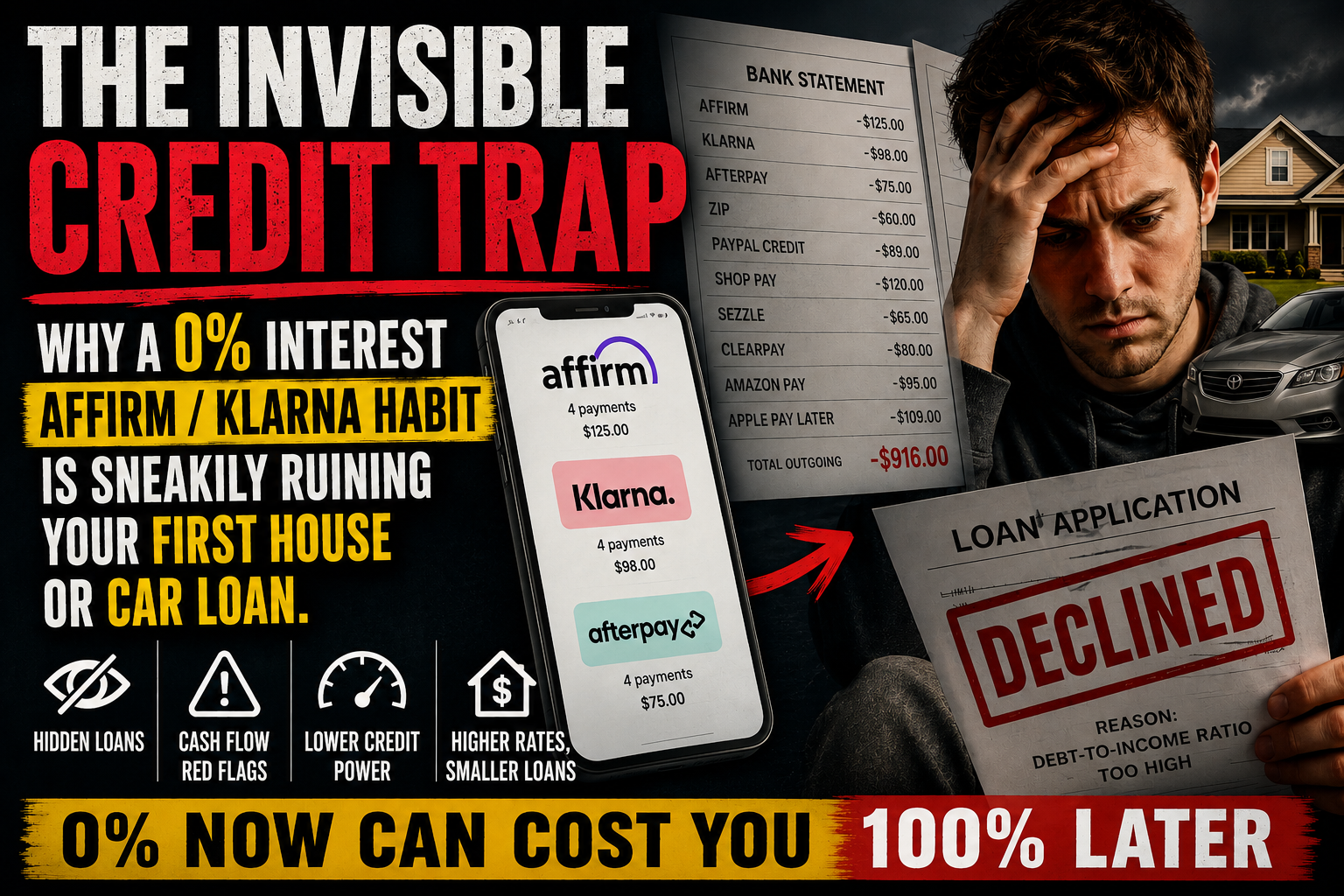
“Avoid debt” is close to gospel in personal finance content. But almost every wealthy entrepreneur has used debt strategically — not to buy things they can’t afford, but to buy assets or opportunities that pay for themselves.
The distinction they draw is between debt that buys a depreciating want (a car, a vacation, a gadget) and debt that buys an appreciating or income-producing asset (a business, real estate, an education that raises earning power). One shrinks your net worth over time. The other can grow it.
The contradiction: Blanket “debt is bad” advice ignores that leverage, used carefully, is one of the primary tools the wealthy use to build wealth faster than they could by saving alone.
3. Time Is the Real Currency
Ask a self-made millionaire what they’d want more of, and it’s rarely money. It’s time. Once basic needs are covered, additional income has diminishing returns on happiness — but time is the one resource nobody can buy back.
This shows up in how wealthy people spend money in ways that look wasteful on the surface: paying someone else to do a task they could technically do themselves, buying convenience, outsourcing anything that isn’t their highest-value use of time. It’s not laziness. It’s arithmetic — if an hour of their focus is worth more than the cost of outsourcing a task, doing it themselves is actually the expensive choice.
The contradiction: “Do it yourself to save money” is often terrible advice for anyone trying to grow income, because it trades your most limited resource for your least limited one.
4. Risk Isn’t Reckless — Unmanaged Risk Is
People assume the wealthy got rich by taking huge risks. In reality, most self-made wealthy people are unusually calculated about risk. They take risks that are asymmetric — where the potential upside massively outweighs the downside — and they avoid risks that could wipe them out entirely, no matter how big the potential reward.
This is closer to how a poker player thinks than how a gambler thinks. It’s not about avoiding risk. It’s about only taking risks you can survive being wrong about.
The contradiction: “Play it safe” and “take big risks” are both oversimplified. The real skill is knowing which risks are survivable and which aren’t — and most financial advice doesn’t teach that distinction at all.
5. Skills Compound Faster Than Savings Accounts
Compound interest gets all the attention in personal finance content. But ask wealthy people what actually changed their trajectory, and it’s rarely their savings rate — it’s a skill, a network, or an opportunity that multiplied their earning power.
A dollar saved grows slowly. A skill that lets you earn more, negotiate better, or spot opportunities others miss compounds in a completely different way — and there’s no ceiling on it the way there is with a savings account.
The contradiction: Personal finance content obsesses over cutting expenses. Wealthy people tend to obsess over increasing capability, because there’s a floor on how much you can cut but no ceiling on how much you can earn.
The Common Thread
None of this is really about money. It’s about how these beliefs reframe decisions: what to spend on, what risks to take, what to prioritize with a limited number of hours. The traditional advice — save more, avoid debt, work hard, be careful — isn’t wrong. It’s just incomplete, and it’s built for staying safe rather than for building something.
The beliefs above aren’t a formula. But they explain why so much conventional money advice feels true and still doesn’t seem to be what actually moves people from scraping by to building real wealth.
What’s a money belief that changed how you think about wealth? We’d love to hear it.
This article is for informational and inspirational purposes only and is not financial advice. Please consult a licensed financial advisor before making financial decisions.