If you’ve had trouble getting approved for a regular credit card, you may feel like rebuilding your credit is an uphill battle. You want to improve your credit history, but lenders may be hesitant to give you another opportunity.
One option worth considering is a secured credit card.
A secured credit card works much like a regular credit card, but there’s one important difference: you provide a refundable security deposit when opening the account. This deposit helps protect the card issuer if you don’t repay what you borrow.
For people with limited credit history or a damaged credit profile, a secured card may provide an opportunity to demonstrate better financial habits.
But is it right for you? How much money do you need to get started? And will it actually help improve your credit?
Let’s take a closer look.
What Is a Secured Credit Card?
A secured credit card is a credit card backed by a cash deposit you provide to the card issuer.
Unlike a traditional unsecured credit card, where the bank approves a credit limit without requiring collateral, a secured card uses your deposit as security.
For example, imagine you apply for a secured credit card and provide a $300 deposit.
If the issuer approves your application and sets your credit limit equal to your deposit, you may receive a $300 credit limit.
You can then use the card to make purchases, just as you would with a regular credit card. You’ll receive a monthly statement and must make at least the required payment by the due date.
Remember: Your deposit is not a payment toward your monthly purchases. You still have to repay the money you spend.
The deposit is held as security under the card agreement. If you fail to repay your balance, the issuer may use it to cover what you owe, subject to the agreement.
How Does a Secured Credit Card Work?
The process is fairly simple.
Here’s an example of how it works:
- Apply for a secured card: Choose a card issuer and submit an application.
- Provide a security deposit: If approved, deposit the required amount.
- Receive your credit limit: Your limit may be equal to your deposit, although terms vary by issuer.
- Use your card: Make purchases within your available credit limit.
- Pay your bill: Make at least the minimum payment by the due date.
- Build a payment history: If the issuer reports your account activity to the credit bureaus, responsible use may help establish or strengthen your credit history.
For example, let’s say you deposit $300 and receive a $300 credit limit.
You use the card to purchase $40 worth of groceries. Your available credit becomes $260, and you’ll need to repay the $40 according to your billing statement.
If you pay the full statement balance by the due date, you can generally avoid interest on those purchases if your card has a grace period and you qualify for it.
The goal isn’t to borrow as much as possible. It’s to demonstrate that you can manage credit responsibly.
Secured vs. Unsecured Credit Cards: What’s the Difference?
Both secured and unsecured credit cards allow you to borrow money and repay it later. The biggest difference is the security deposit.
Here’s a simple comparison:
| Feature | Secured card | Unsecured card |
|---|---|---|
| Security deposit | Usually required | Not usually required |
| Credit limit | Often tied to deposit | Set by issuer |
| Approval | May be more accessible | Depends on creditworthiness |
| Monthly payments | Required | Required |
| Interest and fees | May apply | May apply |
| Credit reporting | Depends on issuer | Depends on issuer |
A secured card may be easier to qualify for than some unsecured cards, but approval is never guaranteed.
The issuer may still review your credit history, income, existing debts, and other application information.
If you’re rebuilding credit after missed payments or other financial difficulties, a secured card may be worth researching.
How Much Money Do You Need for a Secured Credit Card?
The required deposit depends on the card issuer and the specific product.
Some secured cards allow relatively small deposits, while others require several hundred dollars.
For example:
- A $200 deposit may provide a $200 credit limit.
- A $300 deposit may provide a $300 credit limit.
- A $500 deposit may provide a $500 credit limit.
These are examples, not guaranteed offers. Some issuers set different minimums or credit limits.
Before applying, consider whether you can comfortably afford the deposit.
Don’t use money meant for rent, groceries, utilities, emergency savings, or other essential expenses just to open a credit card.
Rebuilding credit should help improve your financial situation, not create another financial burden.
Can a Secured Credit Card Help Rebuild Your Credit?
Yes, a secured credit card may help you establish or rebuild your credit history, provided the issuer reports your account activity to the major credit reporting companies.
This is an important detail.
The three major credit reporting companies in the United States are:
- Equifax
- Experian
- TransUnion
When a card issuer reports your payment activity, that information can become part of your credit history.
Consistently paying on time and keeping your balance manageable may help demonstrate responsible credit behavior over time.
However, opening a secured credit card does not automatically increase your credit score.
Your overall credit profile matters, including existing late payments, outstanding debts, collections, and the age of your accounts.
A secured card is simply one tool that may help you build a stronger credit history.
What to Look for Before Applying for a Secured Credit Card
Not all secured credit cards are created equal.
Some offer reasonable terms, while others come with fees that can make rebuilding credit more expensive.
Before submitting an application, compare the following features.
1. Reports to All Three Credit Bureaus
This should be one of your first questions.
Ask whether the issuer reports your payment activity to Equifax, Experian, and TransUnion.
Reporting to all three can help your responsible payment history appear across your credit reports.
Don’t assume every secured card reports in the same way.
2. Low or No Annual Fee
Some secured cards charge an annual fee simply for keeping the account open.
Others may have no annual fee.
If you’re trying to rebuild credit while managing a tight budget, avoiding unnecessary fees can make a meaningful difference.
Read the fee schedule before applying.
3. Reasonable Interest Rates
Secured credit cards can have high annual percentage rates (APRs).
Even though your deposit helps protect the issuer, it doesn’t mean you won’t pay interest.
Try to choose a card with reasonable terms.
More importantly, aim to pay your statement balance in full every month whenever possible.
4. A Refundable Security Deposit
Understand exactly how your deposit is handled.
Ask:
- Is the deposit refundable?
- When can I receive it back?
- Can the issuer use it to cover an unpaid balance?
- What happens if I close the account?
- Are there any conditions I must meet before receiving a refund?
Don’t assume your deposit will be returned immediately when you decide to close the account.
5. A Path Toward an Unsecured Card
Some issuers periodically review secured accounts to determine whether customers qualify for an unsecured credit card.
This process is sometimes called graduation.
Depending on the issuer, you may be able to receive your deposit back while keeping the account open as an unsecured card.
However, not every secured card offers this feature.
Check the issuer’s policy before applying.
How to Use a Secured Credit Card the Right Way
Getting approved is only the beginning.
What matters most is how you manage the account after opening it.
Here are some practical habits that can help.
1. Start With Small Purchases
You don’t need to use your entire credit limit.
Consider using your card for one or two small purchases you already planned to make, such as groceries or a household item.
The idea is to keep spending manageable.
2. Pay Your Statement Balance in Full
Whenever possible, pay the full statement balance by the due date.
This can help you avoid interest charges when your card’s grace-period terms allow it.
You don’t need to carry a balance or pay interest to build credit.
3. Keep Your Credit Utilization Low
Credit utilization refers to how much of your available revolving credit you’re using.
For example, if your credit limit is $300 and your reported balance is $90, your utilization is 30%.
A lower utilization rate is generally better for credit scoring.
You may hear advice about keeping utilization below 30%. That’s a commonly used guideline, not a magic threshold. Lower utilization can be helpful, but you don’t need to carry a balance to achieve it.
4. Never Miss a Payment
Payment history is an important part of many credit scoring models.
Set up payment reminders or automatic payments for at least the minimum amount due.
If possible, pay the full statement balance instead.
Even one missed payment can create problems when you’re trying to establish a positive payment history.
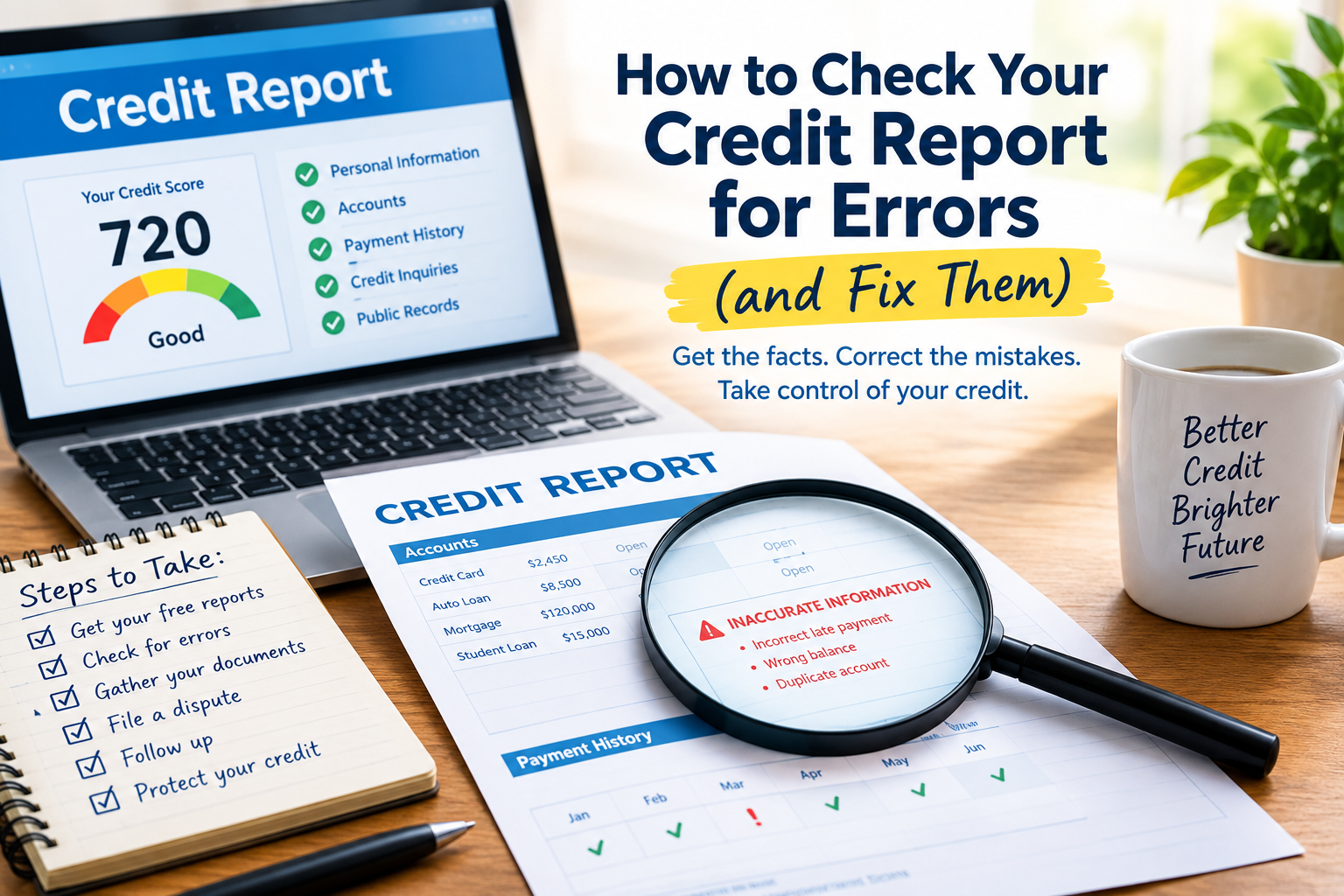
5. Check Your Credit Reports
Review your credit reports periodically to make sure your secured account is being reported correctly.
You can obtain free credit reports through:
If the account isn’t appearing as expected, contact the card issuer to ask about its reporting practices.
When Do You Get Your Security Deposit Back?
This is one of the most common questions people have about secured credit cards.
In many cases, you can receive your deposit back when you close the account and pay off the outstanding balance.
Some issuers also offer a way to transition your secured account into an unsecured credit card.
If that happens, the issuer may return your deposit without requiring you to close the account.
However, the process depends on the card issuer.
Before applying, find out:
- Whether the issuer reviews accounts for an upgrade.
- How long account reviews may take.
- Whether you need to request an upgrade.
- Whether your account must meet certain payment requirements.
- How long a deposit refund takes after closing the account.
Don’t assume you’ll automatically receive an upgrade after making a certain number of payments.
Common Mistakes to Avoid With Secured Credit Cards
A secured credit card can be useful, but poor management can work against your financial goals.
Watch out for these common mistakes.
Using the entire credit limit
A small credit limit doesn’t mean you should spend everything available. Keep your purchases manageable.
Paying only the minimum every month
Minimum payments help keep your account current, but unpaid balances can accumulate interest. Pay the full statement balance whenever possible.
Ignoring fees
Application fees, annual fees, monthly maintenance fees, and other charges can make some cards expensive. Read the terms carefully.
Assuming approval is guaranteed
Secured cards may be more accessible, but issuers can still deny applications.
Applying for too many cards at once
Multiple credit applications in a short period may create unnecessary hard inquiries and make your financial situation harder to manage.
Forgetting that the deposit is not spending money
Your security deposit is collateral. You still have to repay every purchase you make with the card.
What If You Can’t Afford a Secured Credit Card?
You don’t have to open a secured credit card to start rebuilding your credit.
If you cannot comfortably afford the deposit or monthly payments, consider other options.
Depending on your circumstances, you may want to explore:
- Credit-builder loans: Some banks and credit unions offer loans designed to help establish payment history.
- Authorized user status: A trusted family member may be willing to add you to an existing credit card account. Ask whether the issuer reports authorized users to the credit bureaus.
- Nonprofit credit counseling: A reputable nonprofit counselor can help you review your debts and create a realistic repayment plan.
You can also continue working on the basics: paying existing accounts on time, checking your credit reports for errors, and reducing outstanding balances.
There is no need to rush into a new financial product if it doesn’t fit your budget.
Frequently Asked Questions About Secured Credit Cards
1. Do secured credit cards build credit?
They may help build or rebuild credit when the issuer reports your account activity to the credit bureaus. Responsible use, including on-time payments and manageable balances, may strengthen your credit history over time.
2. Can I get a secured credit card with bad credit?
Possibly. Secured cards are designed to provide access to credit for some people with limited or damaged credit histories. However, approval depends on the issuer’s requirements, and a security deposit does not guarantee approval.
3. Is a secured credit card the same as a prepaid card?
No. A secured credit card provides a credit line backed by a security deposit. You borrow money when making purchases and must repay it.
A prepaid card uses money you’ve already loaded onto it. It generally does not establish a traditional credit history.
4. Can I get my secured credit card deposit back?
Usually, yes, if the account is closed according to the issuer’s terms and the outstanding balance and other amounts owed are paid. Some issuers may also refund the deposit when upgrading an account to an unsecured card.
5. How long should I keep a secured credit card?
There is no universal timeline. You may want to keep the account while it remains useful and affordable. Review the issuer’s upgrade policy, fees, and your overall credit situation before deciding to close it.
6. Should I carry a balance on a secured credit card to build credit?
No. You do not need to carry a balance or pay interest to build credit. Using the card responsibly and paying the statement balance in full can help you avoid unnecessary interest charges.
Final Thoughts: Use a Secured Credit Card as a Stepping Stone
Rebuilding credit takes patience, consistency, and better financial habits.
A secured credit card may be a useful starting point if you’re struggling to qualify for a traditional credit card. It gives you an opportunity to demonstrate that you can borrow responsibly, make payments on time, and manage a credit account.
But don’t rush into an application just because you’re eager to improve your credit score.
Compare the fees, understand the deposit requirements, and make sure the monthly payments fit your budget.
Most importantly, remember that the goal isn’t to collect credit cards or borrow more money.
The goal is to build a healthier financial future, one responsible decision at a time.
Disclaimer: This article is for educational purposes only and does not constitute financial advice. Credit card terms, fees, eligibility requirements, and credit reporting practices vary by issuer. Review the card agreement before applying.